Acupuncture has moved from the fringes of animal care into mainstream veterinary practice over the past two decades. What was once viewed with skepticism is now offered by general practitioners, specialty hospitals, and even large livestock operations. Dogs recovering from spinal surgery, horses with chronic lameness, cats managing arthritis, and even rabbits and birds have all been treated with fine needles placed at specific points on the body. The growing acceptance of this practice owes a great deal to the expansion of veterinary acupuncture schools, which have trained thousands of practitioners in the technique, and to the rise of integrative health training for vets that blends Eastern methods with Western diagnostics.
The Mechanics of Acupuncture
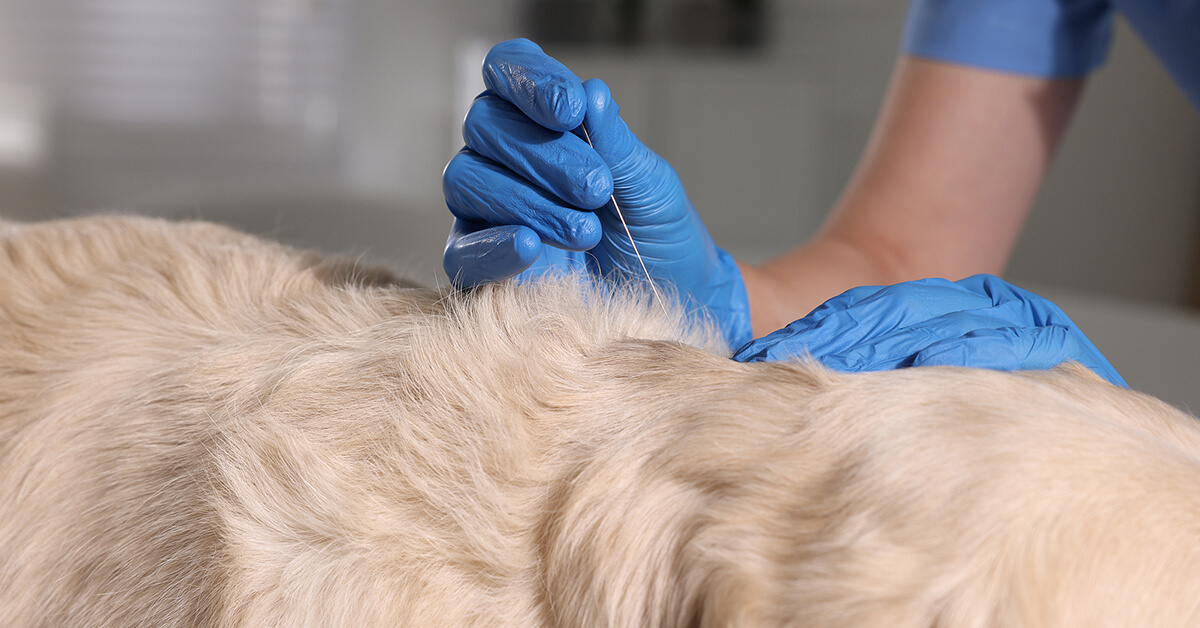
Acupuncture works by stimulating specific points on an animal’s body, typically with thin, sterile needles, though some practitioners use lasers, pressure, or electrical stimulation as alternatives. These points often correspond to nerve bundles, blood vessels, and connective tissue that, when stimulated, trigger a cascade of physiological responses. The body releases endorphins, increases blood flow to the treated area, and can reduce inflammation and muscle spasm. In animals, just as in humans, this can translate into meaningful pain relief and improved mobility, particularly for chronic conditions that don’t respond well to medication alone.
Pain Management
One of the most well documented benefits of acupuncture in animals is pain management. Osteoarthritis is extremely common in older dogs and cats, and while nonsteroidal anti-inflammatory drugs are often the first line of treatment, many animals cannot tolerate long-term use due to kidney or liver concerns. Acupuncture offers an alternative or complementary approach that carries a much lower risk profile. Veterinarians who have completed integrative health training for vets frequently report that combining acupuncture with conventional pain management allows them to use lower drug doses, which reduces the risk of side effects while still keeping the animal comfortable.
Neurological Support
Beyond pain relief, acupuncture has shown promise in treating a range of neurological conditions. Dogs with intervertebral disc disease, a condition that can cause partial or complete paralysis, sometimes regain function faster when acupuncture is added to their rehabilitation plan. Some case studies suggest that electroacupuncture, which pairs traditional needling with a mild electrical current, can help stimulate nerve regeneration and improve outcomes in dogs that might otherwise face a poor prognosis. This is one of the areas where graduates of veterinary acupuncture schools have contributed the most to the body of clinical evidence, since many of these programs require case documentation and outcome tracking as part of their certification process.
Addressing Gastrointestinal Issues
Gastrointestinal issues are another area where acupuncture can help. Points that influence digestive function have been used to treat nausea, reduce vomiting associated with chemotherapy, and stimulate appetite in animals recovering from illness or surgery. Cats in particular can be notoriously difficult to medicate and prone to stress related digestive upset, so a treatment that doesn’t require oral administration can be a welcome option for both the animal and the owner.
Supporting Cancer Treatment
Acupuncture is also being used to support animals undergoing cancer treatment. While it is not a cure and should never be presented as one, it can help manage the side effects of chemotherapy and radiation, including nausea, fatigue, and pain. Many oncology focused veterinary hospitals now have a staff member who has completed integrative health training for vets specifically so they can offer this kind of supportive care alongside conventional cancer treatment. The goal isn’t to replace evidence based oncology but to improve quality of life during a difficult treatment period.
Equine and Performance Care
Performance and working animals, particularly horses, have long benefited from acupuncture as part of their maintenance care. Equine athletes are prone to muscle strain, joint stiffness, and repetitive stress injuries, and many trainers and owners incorporate regular acupuncture sessions much the way human athletes might use physical therapy or massage. Racehorses, show jumpers, and even working ranch horses are sometimes treated proactively, before an injury becomes severe, in an effort to keep them performing at their best for longer. This preventive approach has become popular enough that some veterinary acupuncture schools now offer specialized tracks focused specifically on equine practice, separate from small animal certification.
Behavioral and Anxiety Benefits
Anxiety and behavioral issues represent a less obvious but increasingly recognized application. Some points used in acupuncture are believed to have a calming effect on the nervous system, and practitioners have used this to help anxious dogs, cats recovering from trauma, and animals with noise phobias related to thunderstorms or fireworks. While the evidence base here is thinner than it is for pain management, many owners report noticeable improvements in their pet’s demeanor after a series of sessions, and some veterinarians incorporate acupuncture into a broader behavioral modification plan rather than using it as a standalone treatment.
Professional Certification
Certification for veterinary acupuncture is not something that happens casually. Most programs require that a veterinarian already hold a valid veterinary degree before enrolling, since the practice is considered an extension of medical care rather than a separate discipline. Institutions such as the Chi Institute and the International Veterinary Acupuncture Society have become well known names among practitioners, and completing a program at one of these veterinary acupuncture schools typically involves well over one hundred hours of coursework, hands on labs, and supervised clinical practice. Some programs stretch across several months and require travel to in person sessions, while others have adapted to include hybrid or online components for the didactic portions of the curriculum.
An Integrative Approach
The rise of integrative health training for vets reflects a broader shift in how the profession views complementary medicine. Rather than treating acupuncture, chiropractic care, and herbal medicine as separate from mainstream veterinary practice, many schools and continuing education providers now frame these modalities as tools that can be integrated into a comprehensive treatment plan. A veterinarian with this kind of training might use conventional diagnostics like bloodwork and imaging to identify a problem, then draw on both pharmaceutical and acupuncture based options to address it, adjusting the approach based on how the individual animal responds.
Costs and Considerations
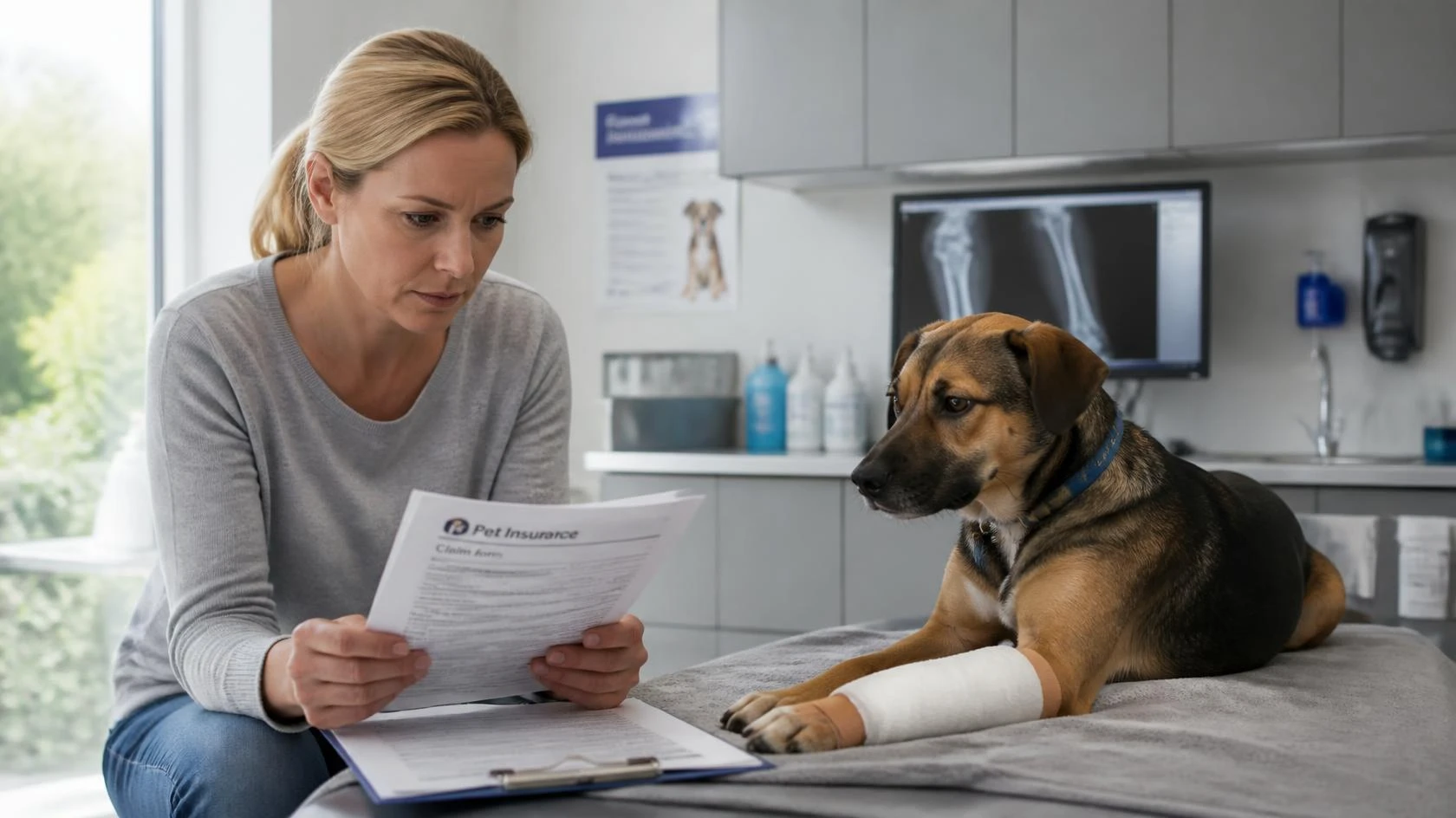
Cost and accessibility remain real considerations for pet owners interested in this kind of care. Acupuncture sessions typically run anywhere from fifty to over one hundred fifty dollars per visit depending on the region and the practitioner’s experience, and most conditions require multiple sessions to see meaningful improvement. Because it is considered a complementary rather than a primary treatment in most cases, insurance coverage varies widely, and owners should check with their provider before assuming a treatment plan will be reimbursed. Despite these costs, demand has grown steadily, driven in part by owners who are looking for lower risk alternatives to long-term medication use in aging pets.
Safety is generally considered high when acupuncture is performed by a properly trained veterinarian. Needles are sterile and single use, and serious complications are rare. That said, it is not appropriate for every animal or every condition. Animals with bleeding disorders, certain skin infections at the treatment site, or pregnant animals in some cases require caution or an entirely different approach. This is precisely why the credentialing process matters so much. A veterinarian who has gone through formal veterinary acupuncture schools understands not just where to place needles but when acupuncture is contraindicated and how to recognize when a condition needs a different or more urgent intervention.
Current Research
Research into veterinary acupuncture has expanded considerably, though it still lags behind the human literature in terms of large scale randomized controlled trials. Much of the existing research comes from smaller case series, retrospective studies, and clinical observations reported by practicing veterinarians. Organizations connected to integrative health training for vets have pushed for more rigorous study design in recent years, recognizing that broader acceptance within the profession depends on stronger evidence. Some veterinary schools now house research centers dedicated specifically to studying complementary and alternative therapies in animals, publishing findings in peer reviewed journals that didn’t exist a generation ago.
Finding a Qualified Veterinarian
Owners considering acupuncture for their pet should look for a veterinarian who holds a specific credential in the practice rather than someone who has picked up techniques informally. The letters CVA, standing for Certified Veterinary Acupuncturist, or similar designations from recognized veterinary acupuncture schools indicate that the practitioner has completed a structured program and met specific clinical requirements. It’s also reasonable to ask how many animals of a similar species or condition the veterinarian has treated, since experience with, say, feline patients doesn’t always translate directly to comfort treating horses or exotic species.
The first session usually involves a full physical exam in addition to the acupuncture treatment itself, since the veterinarian needs to understand the animal’s overall health before selecting points and technique. Sessions can last anywhere from fifteen minutes to nearly an hour, and animals often become noticeably relaxed, sometimes falling asleep on the table. Most practitioners recommend an initial series of four to six weekly sessions before reassessing whether the treatment is providing benefit, followed by a maintenance schedule if the results are positive.
Looking Ahead
As more veterinary schools recognize integrative health training for vets as a legitimate area of continuing education, the stigma that once surrounded acupuncture in animal care continues to fade. Veterinary students today are far more likely to encounter at least an introduction to the topic during their formal education than practitioners were even fifteen years ago, and postgraduate certification through established veterinary acupuncture schools has become a fairly common career path for vets looking to expand what they can offer their patients. For pet owners, this growing infrastructure means it is easier than ever to find a properly trained provider, whether the goal is managing chronic pain, supporting recovery after surgery, or simply exploring options that go beyond what a prescription pad alone can offer.