Bringing home a puppy is exciting, but those tiny teeth can quickly turn everyday objects into tempting chew targets. Shoes, furniture, blankets, and even your fingers may suddenly seem more interesting than the toy sitting on the floor. Chewing is a natural part of puppyhood, especially during teething, so the goal is not to eliminate the behavior but to guide it toward safer and more appropriate objects.
That is why choosing the right Puppy First Chew deserves more thought than simply selecting the most attractive product on a pet-store shelf. Your puppy’s age, mouth size, chewing strength, and teething stage can all influence the right choice. A toy that works beautifully for one puppy may be unsuitable for another, so the smartest purchase starts with understanding the puppy rather than the packaging.
Buying My Puppy’s First Chew Toy
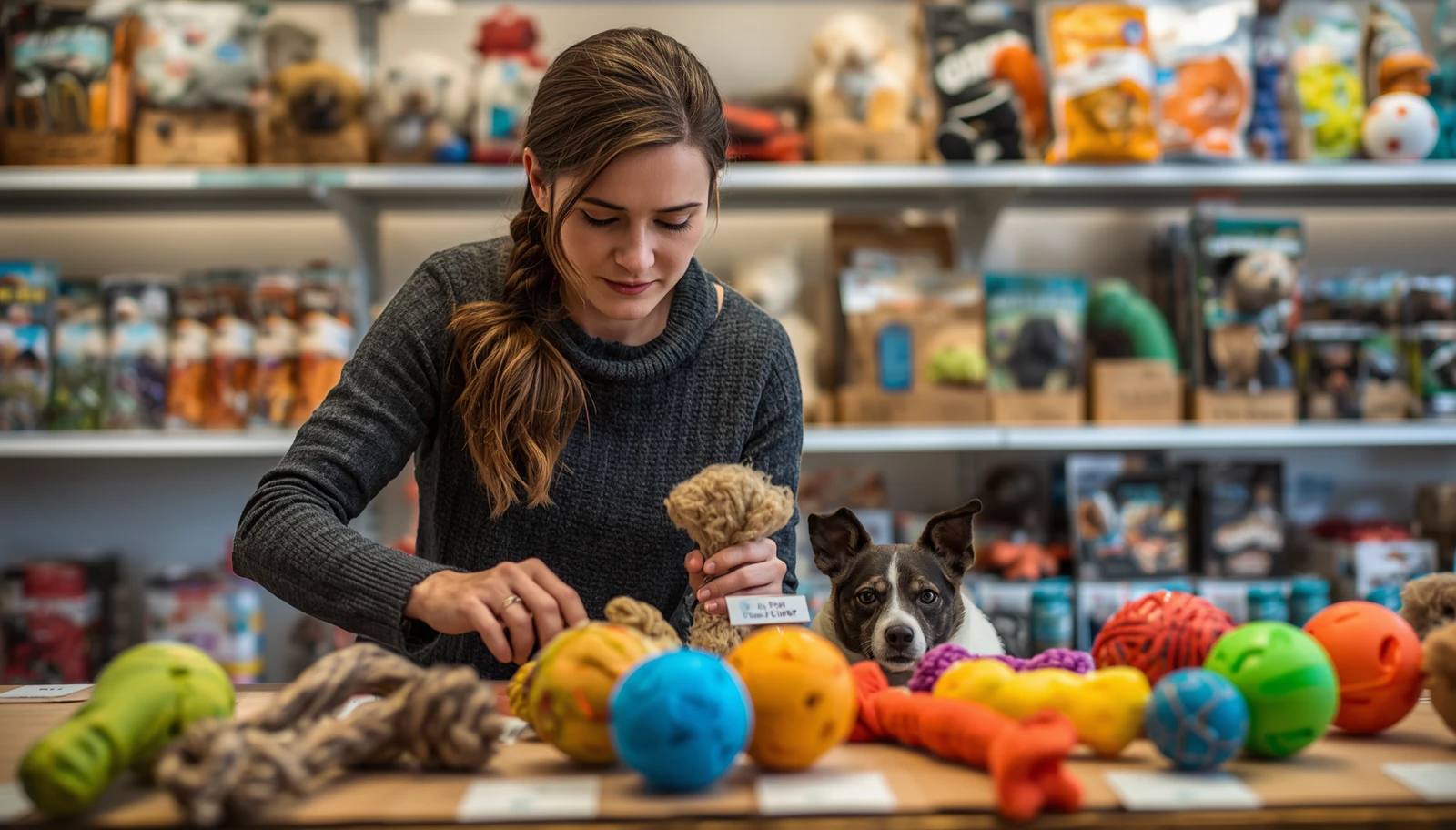
Before reaching for the first colorful toy you see, pause and watch your puppy. What does your puppy naturally chew? How forcefully does the puppy bite? Does the puppy prefer soft textures, flexible rubber, or something firmer? These small observations can make the shopping decision surprisingly clearer.
Safe Toy Selection begins with matching the product to those behaviors. A suitable chew should provide an appropriate outlet for natural exploration while reducing the temptation to chew shoes, furniture, or other household objects. The first choice does not need to be complicated; it needs to be appropriate.
Signs My Puppy Started Teething
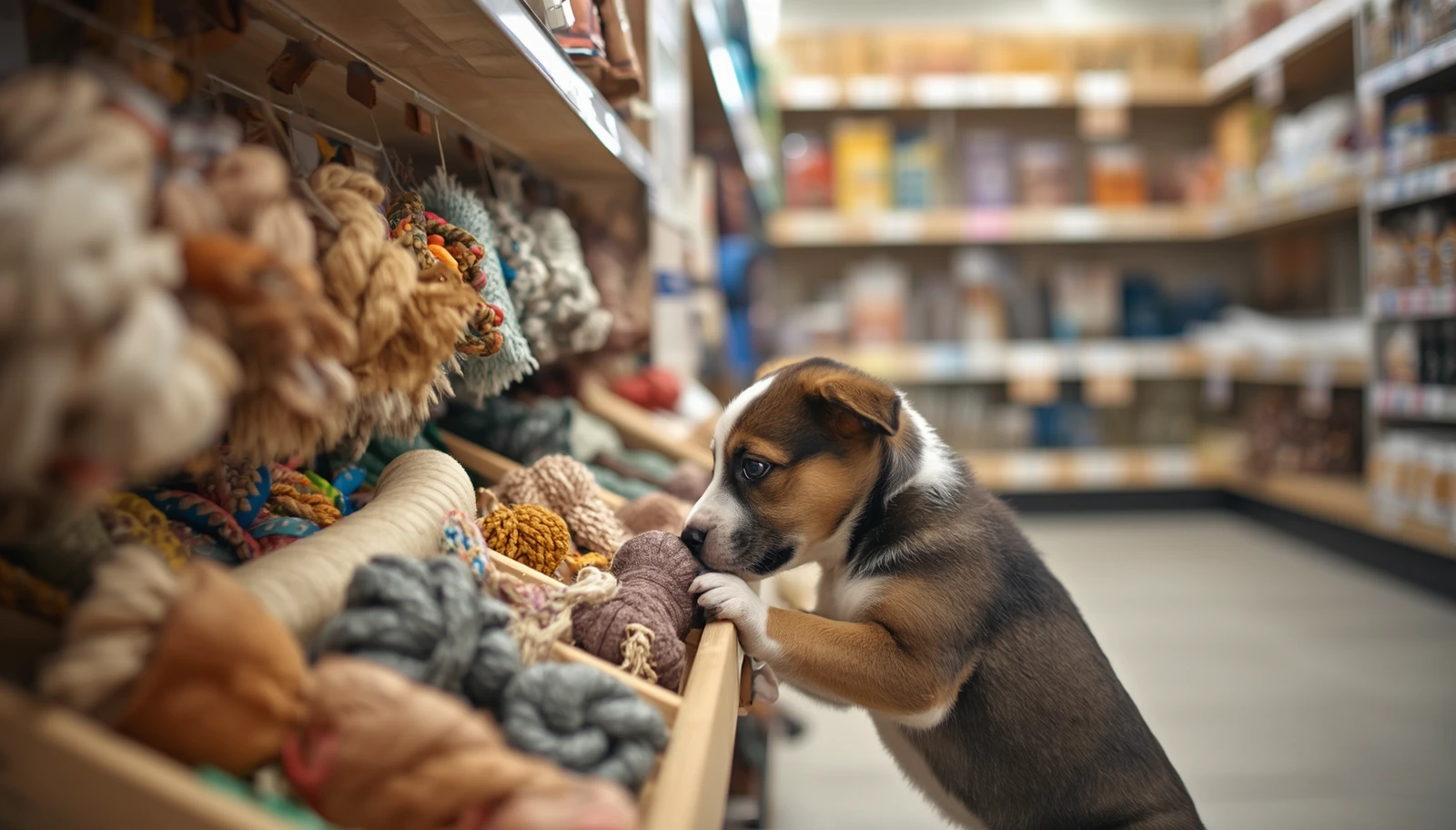
The first signs of teething can be subtle. Your puppy may chew more often, drool more, mouth your hands, or suddenly become fascinated with furniture and household objects. Increased chewing is particularly common as baby teeth begin making way for adult teeth.
Dr. Jerry Klein, Chief Veterinary Officer of the American Kennel Club, explains that puppies naturally use their mouths to explore their surroundings and that chewing can help them cope with teething. This makes redirection more useful than simply treating chewing as bad behavior.
Toys That Looked Unsafe
Some toys may look impressive while raising practical safety concerns. Extremely hard bones, antlers, rigid products, loose ropes, and toys containing detachable parts deserve careful consideration because damaged pieces can create problems.
Rather than assuming that the toughest toy is the safest, look for safe chew toys for puppies that are appropriate for your puppy’s developmental stage. Inspect the toy regularly and remove it if pieces begin breaking away.
Picking The Right Toy Size
Size matters more than many first-time puppy owners expect. A toy should be large enough to reduce the risk of accidental swallowing while remaining manageable enough for your puppy to grip and chew comfortably.
How I Chose The Right Chew Toy
Once you understand your puppy’s chewing behavior, the next question becomes much easier: what should actually go into the shopping basket? Looking beyond colors, shapes, and promotional claims can reveal whether a product genuinely suits your puppy.
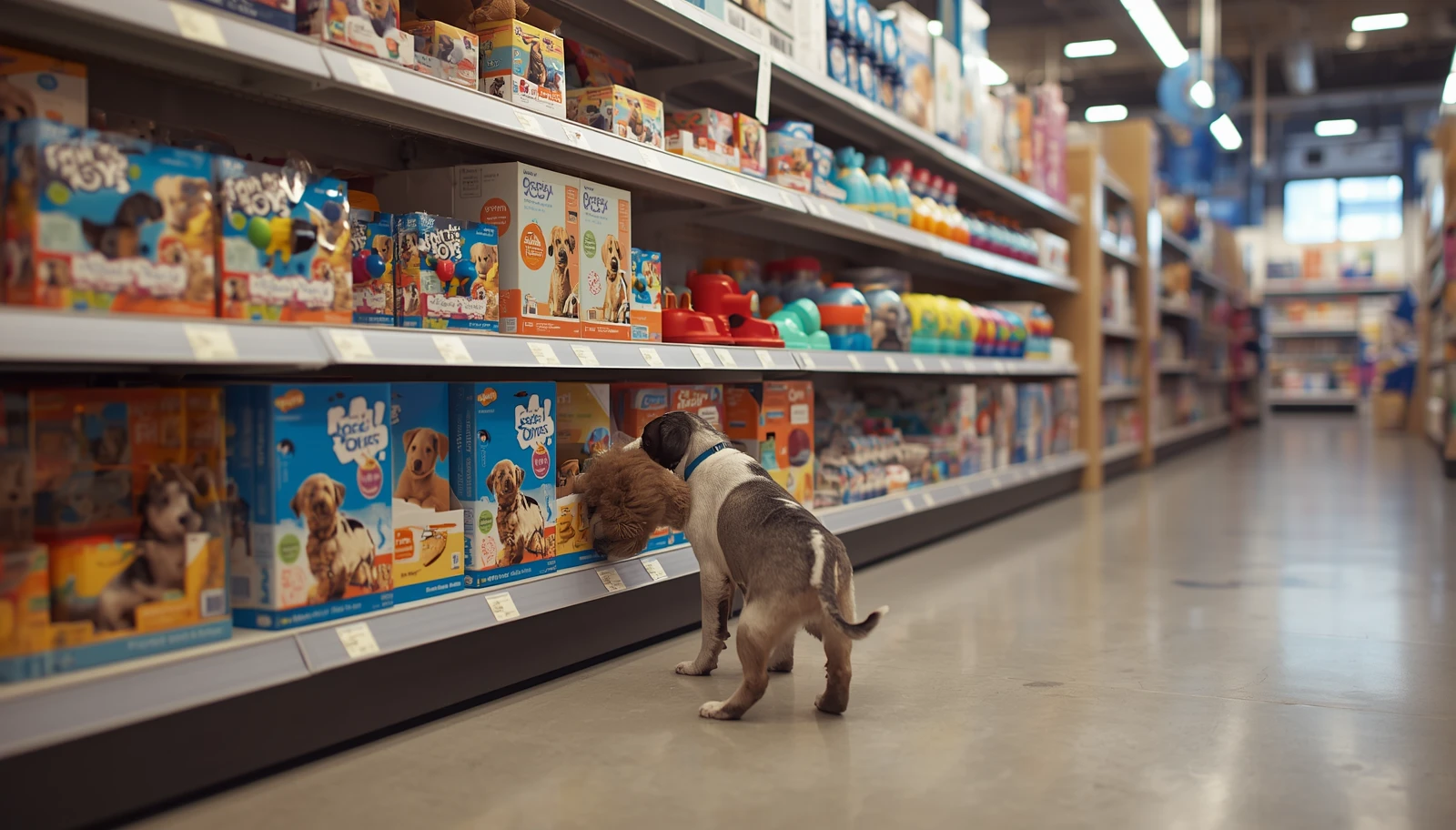
Safe Toy Selection means examining the material, construction, durability, labeling, and intended use before buying. This is particularly useful when modern pet stores offer dozens of similar-looking products that promise different benefits.
Checking Safe Materials
Material should be one of the first things to investigate. Puppy-specific rubber toys can be useful when they are appropriately sized and designed for chewing. Do not automatically assume that harder means safer, particularly for developing puppy teeth.
Comparing Toy Durability
Durability depends heavily on your puppy’s individual chewing style. A gentle chewer may use one toy for weeks, while a determined puppy can quickly create cracks, tears, or missing pieces.
Instead of asking only whether a toy is “indestructible,” ask what happens to it as your puppy chews. A durable puppy chew toy should withstand appropriate use without producing hazardous fragments, but even durable toys eventually require inspection and replacement.
Reading Product Labels
Product labels can reveal information that attractive packaging cannot. Check the recommended age, size category, materials, cleaning instructions, and warnings before purchasing.
What Happened After My Purchase
Buying the toy was only the beginning. The real test came when the puppy interacted with it. Did the puppy chew calmly? Was the toy easy to hold? Did it remain intact after repeated use? These observations provided more useful information than the product description alone.
Safe Toy Selection continues after checkout because no chew toy remains suitable forever. Puppies grow, their jaws become stronger, and toys gradually wear down. Regular observation therefore becomes part of responsible toy use.
My Puppy Chewed Safely
Supervision made it easier to notice damage early. If the toy developed deep tears, loose pieces, or missing sections, it was removed immediately.
Dr. Laurie Hess, a veterinarian and veterinary medical advisor, has emphasized the importance of supervising pets with toys and checking them for damage because even appropriately designed toys can become hazardous when broken.
Furniture Was Left Alone
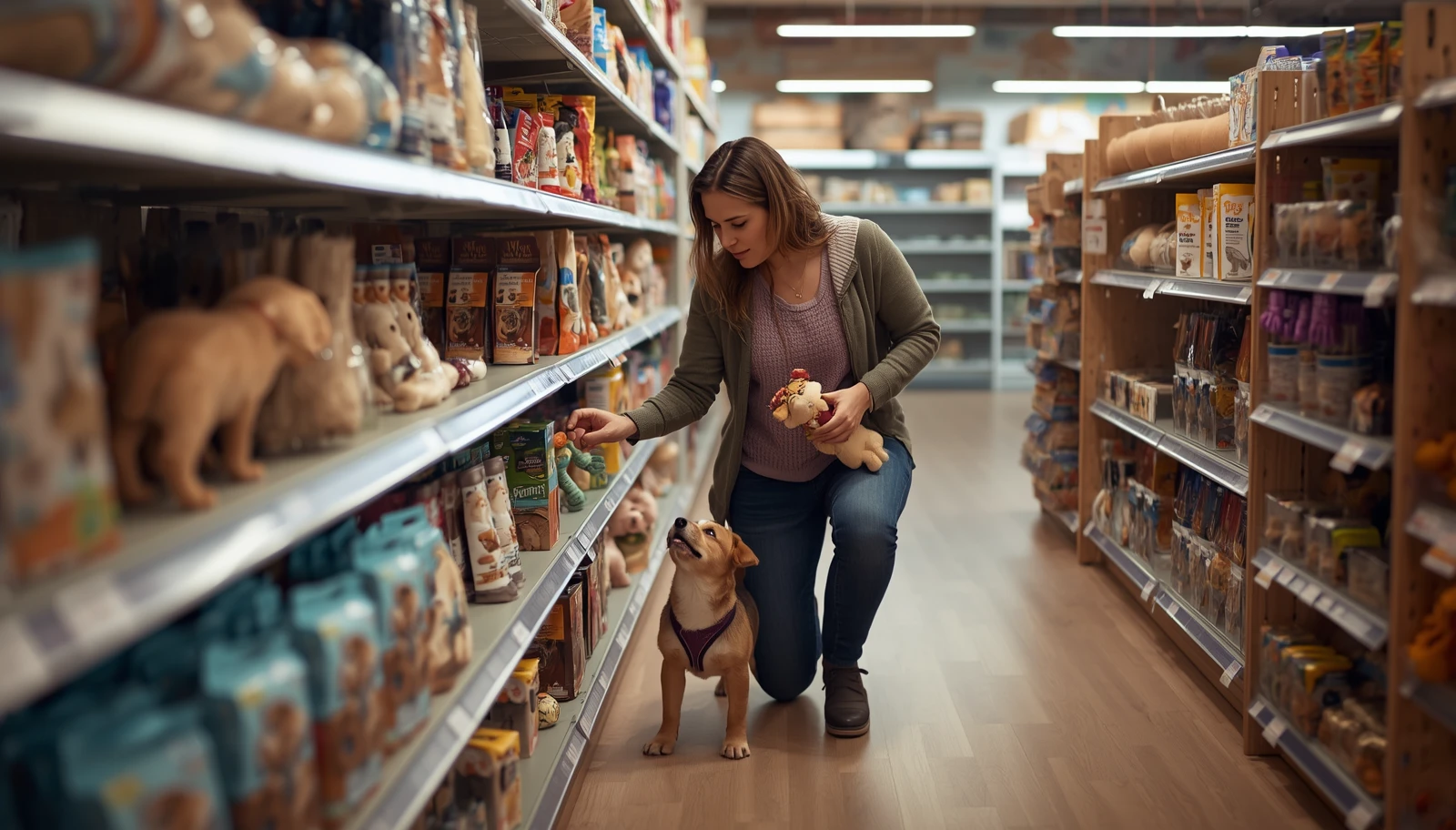
Providing an appropriate alternative can make unwanted chewing easier to redirect. When your puppy approaches a shoe or chair leg, calmly offering the designated chew helps establish a clearer boundary.
Over time, the puppy can learn that certain objects are rewarding and appropriate for chewing while household items are not. Consistency matters more than punishment.
Playtime Became More Enjoyable
A chew toy can become part of everyday play and training. It can provide an outlet for chewing while creating opportunities to reinforce simple cues such as “leave it” and “drop it.”
Rotating a few appropriate toys can also keep play interesting without overwhelming your puppy with too many choices.
Choose The Right First Chew Toy
Ready to make your puppy’s chewing safer and more enjoyable? Choose a Puppy First Chew that matches your puppy’s age, size, and chewing habits, then give them a better alternative to furniture and household objects. Start with the right toy today and turn natural chewing into a healthier habit.