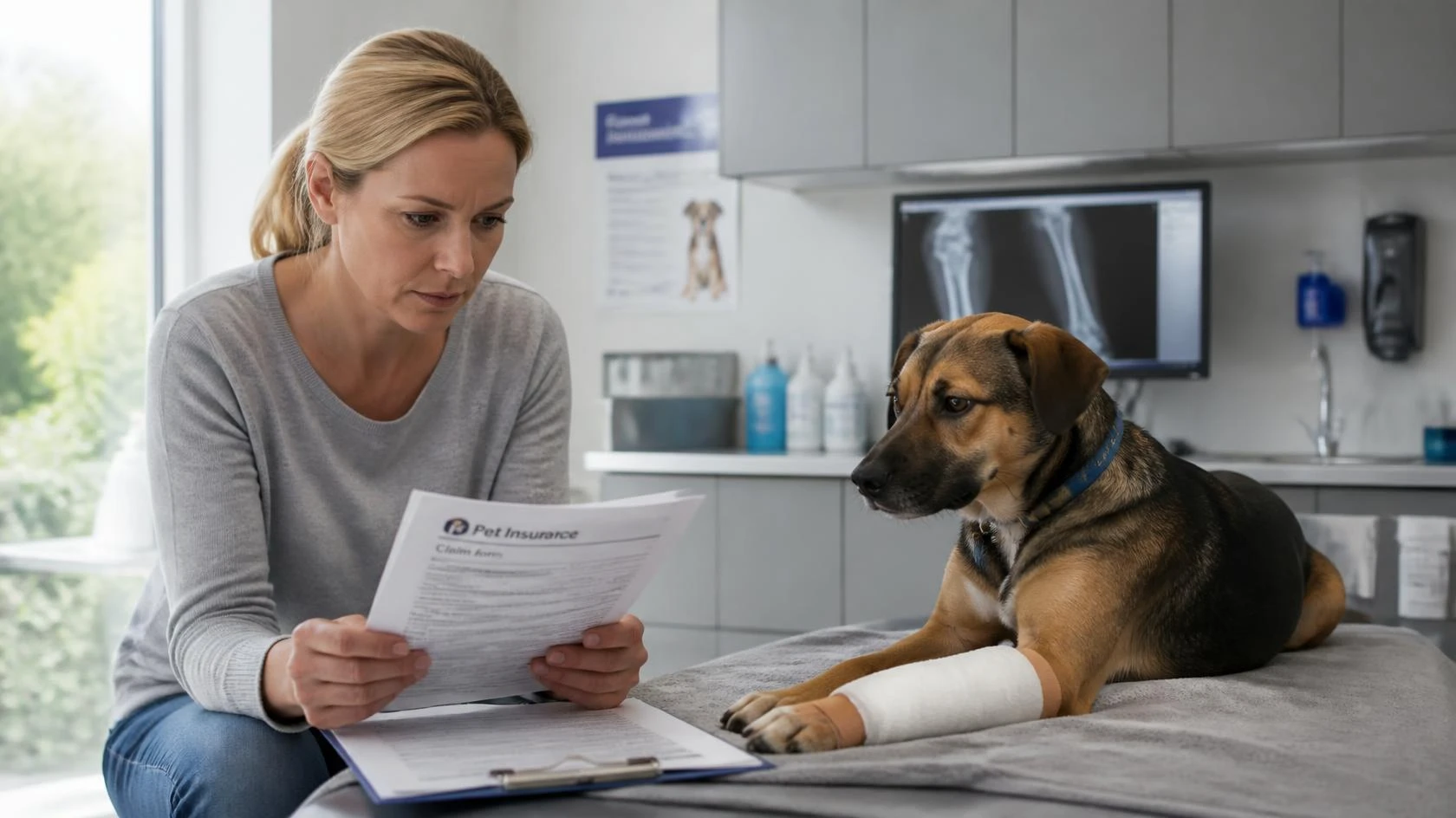
The day surgery enters the conversation, everything can start to feel sharper, faster, and a little more fragile. Suddenly, every detail matters: the estimate, the timing, the paperwork, and the quiet question sitting behind all of it—what will this actually cost?
That is why Insurance Before Surgery deserves real attention, not a rushed glance. AVMA notes that there is “no magic formula” for deciding whether pet health insurance is right for a pet and owner, which is exactly why a careful review matters before surgery day arrives.
Checking Insurance Before Surgery
Before the appointment gets too close, I like to treat Veterinary Cost Planning as part of the care plan itself. Veterinary care is still largely paid out-of-pocket in the United States, and AVMA has reported that only about 4% of U.S. pets are covered by insurance, so the numbers can become meaningful very quickly.
The Surgery Required Advance Planning
Surgery is rarely just a medical decision. It is also a timing decision, a budgeting decision, and a paperwork decision all at once. That is why planning early can make the whole experience feel less abrupt and more manageable.
CJ Silvasi of AKC Pet Insurance puts it simply: “Don’t let enrolling in pet insurance stress you out.” The same calm approach works before surgery, because the more organized the preparation, the less space there is for panic later.
I Wanted To Avoid Unexpected Costs
Unexpected costs are where many dog owners feel the pressure most. ASPCA Pet Health Insurance states that waiting periods, annual deductibles, co-insurance, benefit limits, and exclusions may apply, which means the real picture lives in the details, not the headline price.
That is why I did not stop at “Is my dog insured?” I wanted to know what kind of surgery was covered, how the reimbursement worked, and whether the policy would respond the way I hoped when the bill arrived. Those questions are not small. They are the difference between feeling prepared and feeling cornered.
Reviewing My Policy
This is where careful reading becomes powerful. I looked for the exact language around surgical care, pre-existing conditions, and whether the policy treated the procedure as illness-related, accident-related, or outside coverage entirely. The point was not to assume the answer. The point was to verify it.
How I Reviewed My Coverage
The next step was to slow down and read the plan like it mattered, because it did. Coverage is only useful when you understand how it behaves in a real situation, and surgery is a perfect test of that.
Confirming Covered Surgical Procedures
AKC Pet Insurance explains that eligibility depends on the policy, the veterinarian’s recommendation, and supporting medical records. That made my next move obvious: I matched the surgery recommendation against the policy language and the vet’s notes instead of guessing.
Checking Policy Exclusions And Limits
This part was all about the fine print. I checked waiting periods, exclusion rules, deductibles, and any caps that could reduce the final reimbursement. ASPCA Pet Health Insurance confirms that these limits may apply, and that reminder matters because a policy can look generous until you reach the actual claim stage.
Preparing Claim Documents
I also gathered the documents before surgery day so I would not have to hunt for them afterward. That included the claim form, itemized invoice, and any medical records tied to the procedure. AKC Pet Insurance says filing a claim is done by paying the vet, completing the reimbursement form, and submitting it through email, post, fax, or the customer portal.
How It Helped Before Surgery Day
Once the coverage was clearer, the mood changed. The surgery still mattered, of course, but it no longer felt like an unknown financial storm waiting at the end of the week.
AKC Pet Insurance says, “Filing a pet insurance claim is easy with AKC Pet Insurance!” That may sound simple, but the real value is deeper: when the claim process is familiar, the stress level drops before the appointment even begins.
I Felt More Prepared Financially
I was no longer guessing about the deductible or the reimbursement path. That kind of clarity makes a real difference when you are trying to focus on your dog instead of a payment estimate. It turns a vague worry into a defined plan.
The Claim Process Became Simpler
AKC Pet Insurance states that claims submitted with complete documentation and requiring no further review are typically finalized and payment initiated within one business day of claim assignment, while claims needing additional veterinary records can take longer. Knowing that in advance helped me prepare a cleaner file from the start.
I Focused More On My Dog’s Recovery
This was the part that mattered most. When the insurance questions were already answered, my attention could stay where it belonged: on rest, comfort, medication, and healing. That is the quiet advantage of planning well. It gives you back your focus when your dog needs it most.
Review Your Dog’s Insurance Before Surgery
Every surgery is easier to face when you know exactly what your insurance will and will not cover. Taking a few minutes to review Insurance Before Surgery and organize your Veterinary Cost Planning today can save you from unnecessary stress when your dog needs your full attention the most.
Give your policy one final review before surgery day, ask your veterinarian or insurance provider about anything that seems unclear, and make every decision with confidence. A little preparation today can make a meaningful difference in your dog’s recovery tomorrow.