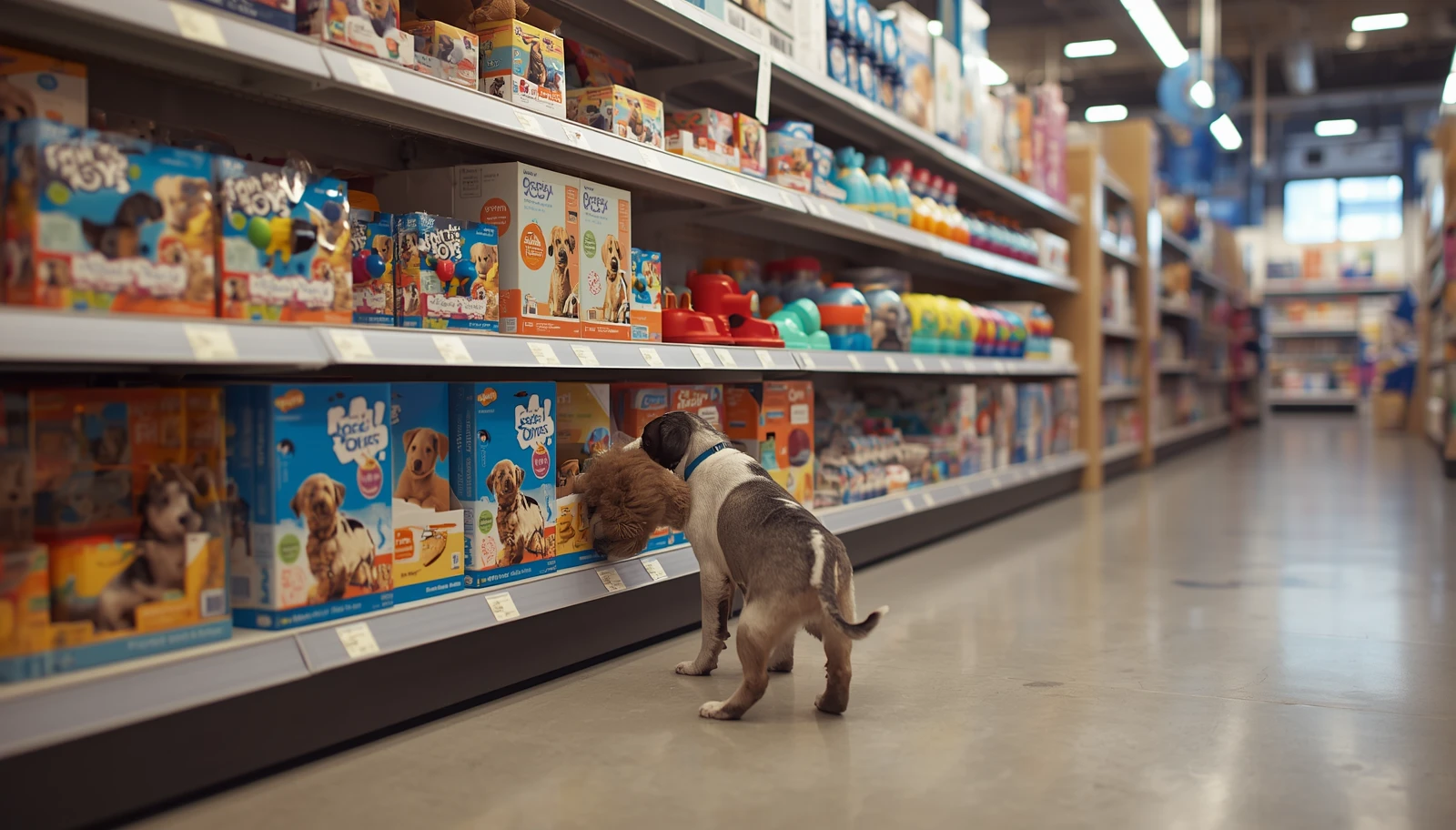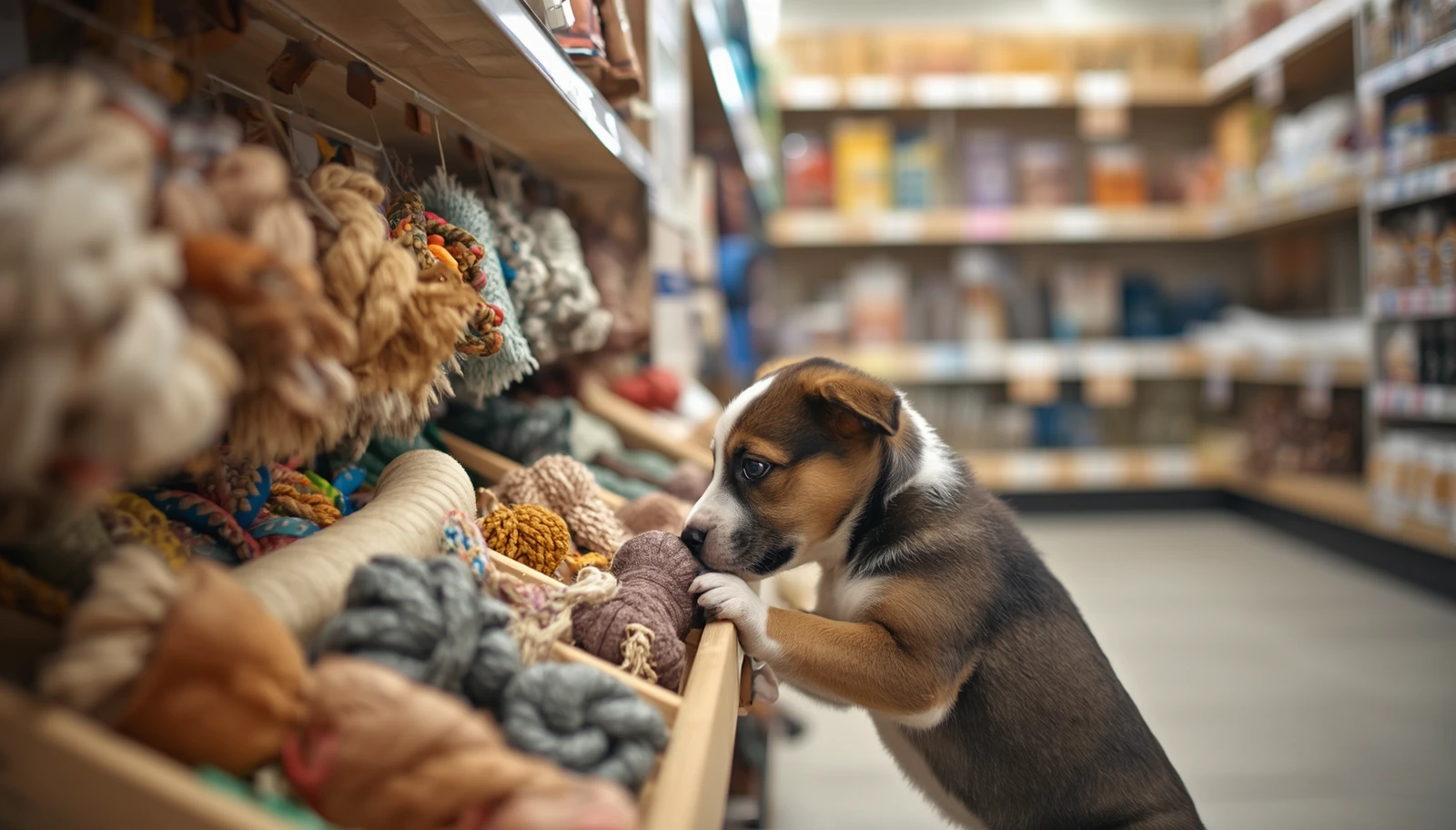
Choosing a puppy’s first chew toy can feel more complicated than expected. Walk into a pet store and you will find rubber toys, textured rings, plush options, edible chews, and interactive products designed for different stages of puppyhood. So, how do you know which one actually deserves a place in your puppy’s toy basket?
A Puppy Chew Toy can provide much more than entertainment. The right choice gives your puppy a safer outlet for natural chewing while helping redirect attention away from furniture, shoes, and other household objects. Your puppy’s age, size, teething stage, and chewing strength should all influence what you choose.
Recognizing My Puppy’s Need To Chew
Have you noticed your puppy suddenly chewing everything within reach? Before choosing a product, look closely at that behavior. Understanding why your puppy chews can help you choose a toy that addresses the real need rather than simply offering another object to bite.
Safe Chewing Habits begin when chewing is treated as a normal part of puppy development. Young dogs explore through their mouths, while teething can make this instinct even stronger. Instead of trying to eliminate chewing, give it a safer direction.
Signs Of Teething
Teething puppies may chew more frequently, drool, show sensitive gums, or become interested in objects they previously ignored. As baby teeth are replaced by adult teeth, appropriate toys can provide an engaging outlet for this increased chewing behavior.
Chewing Household Items
Shoes, furniture, cables, and cardboard can quickly become tempting targets. Rather than treating every incident as bad behavior, calmly redirect your puppy toward an approved chew toy.
With consistent repetition, your puppy can begin learning which objects are appropriate to chew and which ones are off-limits.
Why Safe Chewing Matters
Not every chew toy is suitable for a developing puppy. Extremely hard objects can damage teeth, while worn toys may break into pieces that create choking or swallowing hazards.
Veterinarian Dr. Lynn Honeckman offers an important reminder: “No toy is 100% safe.” Supervision therefore remains essential, even when a product is specifically designed for puppies.
How I Chose The Right Chew Toy
Once you understand your puppy’s chewing behavior, choosing a toy becomes much easier. Instead of being distracted by attractive packaging, consider three practical factors: material, size, and durability.
Safe Chewing Habits are easier to maintain when the toy matches your puppy’s developmental stage. A good option should be engaging enough to encourage chewing without being unnecessarily hard, small, or fragile.
Picking Safe Materials
For the best chew toy for a teething puppy, look for puppy-appropriate materials with a suitable level of flexibility. Rubber toys are commonly used because they can provide resistance without being excessively rigid.
Avoid assuming that the hardest product is automatically the safest. Extremely hard items may increase the risk of tooth damage.
Choosing The Right Size
Size matters just as much as material. A toy that is too small can become a choking hazard, while an oversized toy may be difficult for a young puppy to hold.
When choosing safe puppy chew toys for small breeds, check the manufacturer’s size recommendations and consider your puppy’s actual mouth size.
Checking Toy Durability
A durable puppy toy should withstand normal chewing, but no toy should be considered indestructible. Examine it regularly for cracks, tears, loose sections, or missing pieces.
If the toy becomes damaged, replace it. A product that was suitable when new may no longer be safe after extensive chewing.
How My Puppy Benefited
The real value of a chew toy becomes apparent through everyday behavior. Does your puppy spend less time attacking furniture? Do they become more interested in their own toys? These changes can reveal whether your choice is actually working.
Safe Chewing Habits can develop through supervision, appropriate toy selection, regular inspection, and consistent redirection. The goal is not to stop your puppy from chewing but to make that natural behavior safer and more constructive.
Less Furniture Chewing
An appealing chew toy gives your puppy a clear alternative when they feel the urge to gnaw. Keeping suitable toys nearby also makes redirection faster and easier.
Over time, consistent redirection can help reduce unwanted chewing on furniture and other household belongings.
Better Daily Engagement
Some interactive puppy toys combine chewing with treats, food enrichment, or simple problem-solving. These products can provide mental stimulation while keeping puppies occupied.
A well-chosen toy can therefore become part of your puppy’s daily enrichment rather than simply another object on the floor.
Safer Chewing Routine
A safer routine includes supervision, appropriate sizing, regular inspection, and replacing damaged toys. Rotating several suitable options can also maintain your puppy’s interest.
Dr. Jerry Klein, Chief Veterinary Officer of the American Kennel Club, emphasizes the importance of supervising puppies when they use toys and chews. “Responsible supervision remains just as important as selecting the right product.”
Choose The Right Chew Toy Today
Give your puppy a safer, healthier way to chew and explore. Choose the right Puppy Chew Toy for their age, size, and teething needs, and start building better chewing habits today.